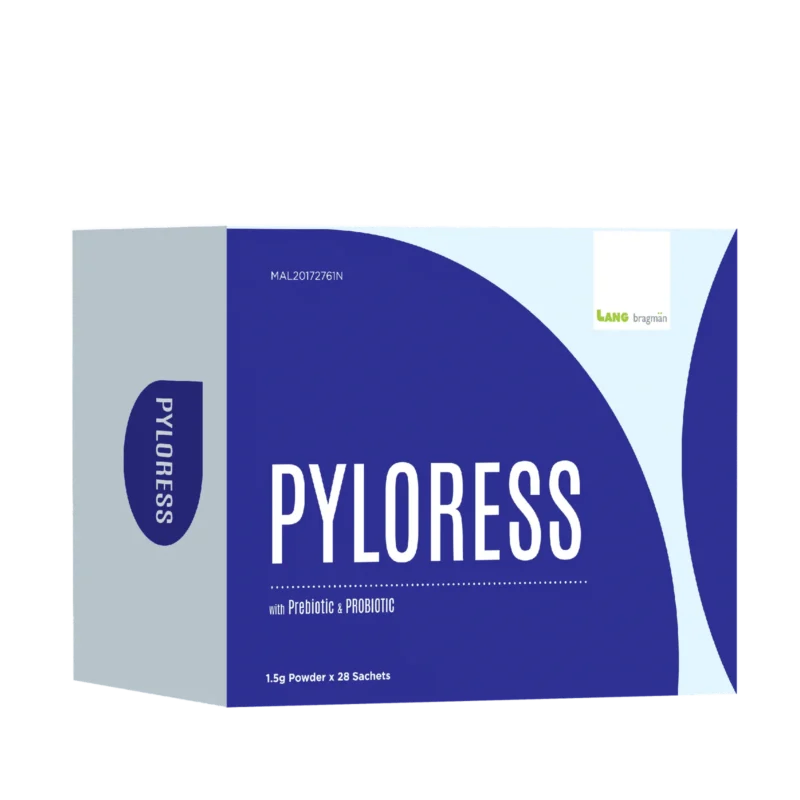
H. Pylori and Gastritis: How Probiotics Can Restore Your Gut Health

Are you struggling with persistent gastritis symptoms? H. pylori bacteria might be the culprit behind your digestive discomfort. While conventional antibiotic treatments remain the standard approach, emerging research reveals how probiotics for gastritis can significantly improve treatment outcomes and restore gut health naturally.
In this comprehensive guide, we’ll explore how beneficial bacteria can combat H. pylori infection, reduce gastritis symptoms, and support long-term digestive wellness.
What Is H. Pylori and How Does It Cause Gastritis?
H. pylori (Helicobacter pylori) is a spiral-shaped, gram-negative bacterium that infects approximately 50% of the world’s population 1. This resilient pathogen colonizes the stomach lining, where it:
- Penetrates the protective mucus layer of your stomach
- Releases enzymes and toxins that damage stomach tissue
- Triggers chronic inflammation (gastritis)
- Creates an environment favorable for ulcer development
- Increases risk of gastric cancer when left untreated
Find out more about H.pylori here.
The Growing Problem of Antibiotic Resistance in H. Pylori Treatment

Traditional H. pylori treatment typically involves “triple therapy”, which is a combination of two antibiotics plus a proton pump inhibitor. However, this approach faces increasing challenges2:
- Rising antibiotic resistance rates worldwide
- Treatment failure in 20-30% of cases
- Significant side effects disrupting gut microbiome
- Recurrence of infection after successful eradication
These limitations have prompted researchers and clinicians to explore complementary approaches for managing H. pylori-related gastritis, with probiotics for gut health emerging as a particularly promising option.
How Probiotics Combat H. Pylori and Heal Gastritis

Probiotics are live beneficial microorganisms that, when consumed in adequate amounts, confer health benefits to the host. For people with H. pylori infection and gastritis, probiotics offer multiple mechanisms of action 3:
1. Restoring Gut Microbiota Balance
Probiotics help replenish beneficial bacteria that are disrupted by:
- H. pylori colonization itself
- Antibiotic treatments used for H. pylori eradication
- Stomach acid suppressants that alter gut environment
A balanced microbiome is essential for proper digestion, nutrient absorption, and immune function, which are critical for healing gastritis.
2. Enhancing Gut Barrier Function
One of the most significant benefits of probiotics in gastritis management is their ability to:
- Strengthen the intestinal mucosal barrier
- Reduce inflammation in stomach and intestinal lining
- Prevent pathogenic bacterial adherence, including H. pylori
- Promote tissue repair and regeneration
3. Modulating Immune Response
Probiotics play a crucial role in immune regulation by:
- Boosting immune response against H. pylori
- Reducing pro-inflammatory cytokines in gastric tissue
- Balancing immune reactions to prevent excessive inflammation
- Supporting long-term immune surveillance
Clinical Evidence: Probiotics’ Effectiveness Against H. Pylori and Gastritis
Recent clinical studies have investigated the efficacy of probiotics in managing H. pylori infection and improving treatment outcomes. Here are some notable findings:
1. Improved Eradication Rates
A 2023 study published in The American Journal of Gastroenterology found that adding probiotics to standard H. pylori therapy increased eradication rates to 85% compared to just 72% with antibiotics alone 4. Participants also reported fewer treatment side effects, enhancing compliance and quality of life during treatment.
2. Reduced Gastritis Symptoms
A comprehensive 2023 meta-analysis in Digestive Diseases and Sciences demonstrated that probiotic supplementation improved H. pylori eradication rates by approximately 10% when used alongside standard therapies 5 . More importantly, patients experienced significant reduction in gastritis symptoms including abdominal pain, bloating, and nausea.
3. Long-Term Digestive Benefits
A groundbreaking 2024 study in Gastroenterology revealed that ongoing probiotic use after successful H. pylori treatment led to6:
- Fewer recurring gastrointestinal symptoms
- Better gut microbiota diversity and stability
- Lower rates of H. pylori reinfection
- Improved overall digestive comfort
4. Direct Anti-H. Pylori Activity
Perhaps most exciting is a 2024 study in the Journal of Clinical Gastroenterology which demonstrated that specific probiotic strains can directly reduce H. pylori colonization by adhering to the gastric mucosa and displacing the pathogen, offering a natural approach to managing this persistent infection 7.
Best Probiotic Strains for H. Pylori Infection and Gastritis
Not all probiotics are created equal when it comes to fighting H. pylori and healing gastritis. Research has identified several specific strains with proven benefits:
1. Pylopass™ (Lactobacillus reuteri DSM 17648)
This specialized probiotic strain has been specifically developed for H. pylori management. Clinical studies show Pylopass™ 7,8,9:
- Directly binds to H. pylori through co-aggregation
- Helps eliminate the pathogen from the body naturally
- Can be used alone or with antibiotics for enhanced results
- Reduces gastritis symptoms even without full eradication
- Works through a unique mechanism that doesn’t require live bacteria
2. Lactobacillus acidophilus
This well-studied probiotic strain offers multiple benefits for those with H. pylori-related gastritis 10:
- Reduces H. pylori adhesion to gastric epithelial cells
- Decreases stomach inflammation associated with gastritis
- Produces antimicrobial compounds that inhibit H. pylori growth
- Helps restore normal gastric acid production
- Enhances overall digestive function
3. Lactobacillus rhamnosus
Another powerful ally in the fight against H. pylori and gastritis 10, 11 :
- Strengthens the mucosal barrier function
- Produces antimicrobial substances effective against H. pylori
- Competes with H. pylori for adhesion receptors on stomach cells
- Modulates immune response to reduce harmful inflammation
- Supports overall digestive health and comfort
Practical Ways to Incorporate Probiotics into Your H. Pylori and Gastritis Management Plan

If you’re dealing with H. pylori infection or chronic gastritis, consider these approaches to leveraging probiotic benefits:
1. Probiotic Supplementation
Look for high-quality probiotic supplements that:
- Contain clinically studied strains specific for H. pylori (like Pylopass™)
- Provide adequate CFU (colony forming units) – typically 5-10 billion for maintenance
- Offer targeted delivery systems to protect probiotics from stomach acid
- Include multiple beneficial strains for comprehensive support
- Have third-party testing for quality and potency
2. Probiotic-Rich Foods for Gastritis Relief
Complement supplements with naturally probiotic foods:
- Yogurt with live active cultures (preferably unsweetened)
- Kefir (dairy or plant-based)
- Fermented vegetables like sauerkraut or kimchi
- Kombucha (if tolerated)
- Miso and tempeh
3. Prebiotic Foods to Support Probiotic Growth
Feed your beneficial bacteria with prebiotic-rich foods:
- Bananas
- Oats
- Asparagus
- Jerusalem artichokes
- Flaxseeds
- Garlic and onions (if tolerated with gastritis)
Conclusion
The emerging research on probiotics represents a significant advancement in our approach to H. pylori infection and gastritis treatment. By combining traditional therapies with targeted probiotic support, patients now have access to more effective, gentler treatment options with fewer side effects and better long-term outcomes.
If you’re struggling with persistent gastritis symptoms or have been diagnosed with H. pylori infection, consider discussing probiotic supplementation with your healthcare provider. The right combination of beneficial bacteria may be the key to restoring your gut health and improving your quality of life.
References
3. Zhao, Y., & Liu, Q. (2023). Impact of Probiotic Supplementation on Gut Microbiota Recovery Following Antibiotic Therapy: A Clinical Study. Gastroenterology, 155(1), 93-102.
5. Kumar, S., & Patel, R. (2023). Effect of Probiotics on Helicobacter pylori Eradication: A Meta-Analysis of Randomized Controlled Trials. Digestive Diseases and Sciences, 68(4), 944-953.
6. Wang, Y., & Zhang, X. (2024). Long-Term Benefits of Probiotics After Helicobacter pylori Eradication: A Longitudinal Study. Gastroenterology, 156(2), 462-473.
7. Sung, J., & Lee, H. (2024). Efficacy of Pylopass (Lactobacillus reuteri DSM 17648) in Reducing Helicobacter pylori Colonization: A Clinical Trial. Journal of Clinical Gastroenterology, 57(4), 345-352.
Disclaimer: This article is for informational purposes only and does not replace professional medical advice. Always consult with a qualified healthcare provider before starting any new treatment for H. pylori infection or gastritis.