GERD and Acid Reflux in Singapore: Triggers, Relief and Why Protecting Your Esophagus Matters
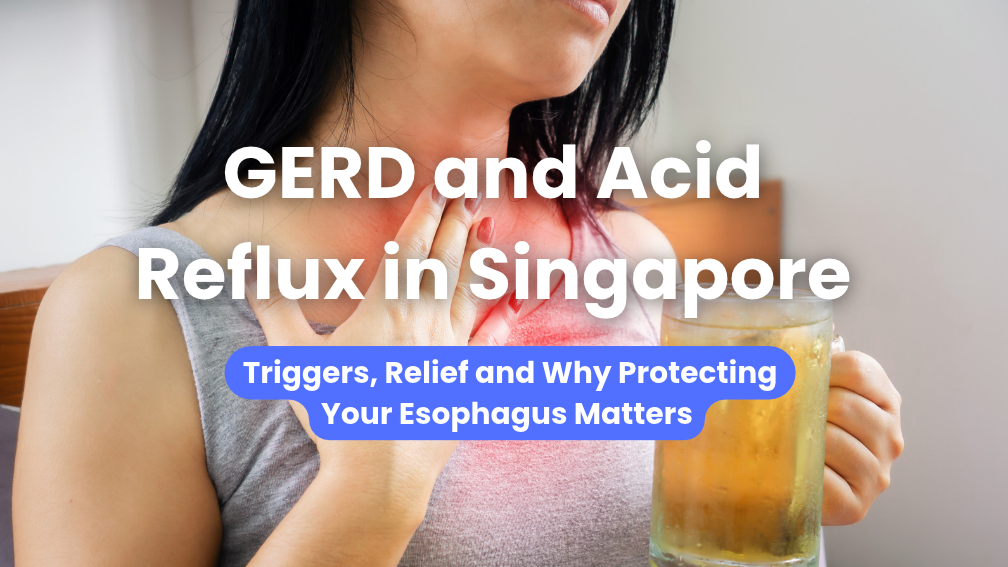
Gastroesophageal reflux disease (GERD), also known as chronic acid reflux, is one of the most common digestive conditions in the world, and it is becoming more common in Singapore. It happens when stomach contents repeatedly flow back up into the esophagus, causing heartburn, regurgitation, chest discomfort, and throat irritation. An occasional episode of reflux is normal, but frequent or persistent reflux can disrupt your daily life and may point to GERD, which needs proper attention and management [1].
Studies in Singapore suggest a rising trend, with more people experiencing reflux symptoms that affect their sleep, productivity and long-term digestive health. Spotting symptoms early, knowing the red flag warning signs, and understanding both lifestyle triggers and treatment options are the keys to managing GERD well. This article looks at how common GERD is in Singapore, its typical symptoms, major triggers, available treatments, and why protecting the esophagus is important for preventing long-term complications.
GERD in Singapore: A Growing Concern
GERD is a growing health issue in Singapore. In a community study of Singapore adults, the proportion reporting heartburn or acid regurgitation at least once a month roughly doubled over five years, from 5.5% to 10.5% among those re-surveyed [2]. Research also suggests that women are more likely than men to develop the condition [3]. With this upward trend, knowing how to recognise symptoms, manage lifestyle habits and protect the esophagus matters more than ever.
Common GERD Symptoms: How to Tell if It’s Acid Reflux

Recognising symptoms early can lead to better treatment and help prevent complications. The most typical symptoms are:
- Heartburn: A burning sensation in the chest or throat
- Regurgitation: Sour or bitter-tasting fluid rising into the mouth or throat
Other possible GERD-related symptoms include:
- Non-cardiac chest pain
- Chronic cough
- Asthma-like symptoms (shortness of breath, wheezing)
- Laryngitis (sore throat, hoarseness)
- Dental erosion from repeated acid exposure
Red Flag Symptoms: When to See a Doctor
Some warning signs may point to more serious complications. Seek medical advice if you experience:
- Difficulty or pain when swallowing
- Unexplained weight loss
- Persistent vomiting
- Gastrointestinal bleeding (vomiting blood or passing black stools)
These alarm symptoms need urgent evaluation. Untreated GERD can damage the esophagus and may raise the risk of conditions such as Barrett’s esophagus and esophageal cancer [1].
What Triggers Acid Reflux?

1. Food and Diet
Certain foods relax the lower esophageal sphincter (LES) or increase stomach acid, which makes reflux worse. Common triggers include:
- High-fat foods
- Chocolate and peppermint
- Coffee and tea
- Tomato-based dishes
- Alcohol
2. Lifestyle Factors
- Large or heavy meals
- Lying down soon after eating
- Smoking
- Being overweight
3. Physiological Factors
- Pregnancy
- Hiatal hernia
- Delayed gastric emptying [4]
4. Stress and Emotional Health
Stress does not directly cause reflux, but it can make symptoms worse by making the esophagus more sensitive and slowing down digestion. Research shows that people under high stress often report more severe reflux episodes [5].
How to Manage GERD: From Lifestyle Changes to Natural and Medical Relief

1. Lifestyle Measures
Simple adjustments can greatly reduce reflux episodes:
- Lose weight if you are overweight
- Eat smaller, more frequent meals
- Avoid eating late at night
- Raise the head of your bed at night to reduce nighttime reflux [1]
2. Over-the-Counter Relief
Antacids: These fast-acting remedies neutralise stomach acid, giving quick relief from heartburn and indigestion.
Fenugreek-based relief: Fenugreek seeds are rich in soluble fibre and mucilage, which form a soothing, gel-like layer when ingested. This natural coating helps protect the esophagus and stomach lining from acid irritation.
Studies point to two key benefits:
- Physical barrier function: The mucilage forms a floating, raft-like barrier that sits near the LES. This barrier helps limit the backflow of acidic contents into the esophagus, reducing episodes of heartburn and regurgitation [6].
- Soothing and protective support: Fenugreek’s natural compounds may help protect the digestive lining and reduce inflammation, as shown in preclinical studies on reflux esophagitis [7].
3. Prescription Therapy
When lifestyle changes and natural remedies aren’t enough, proton pump inhibitors (PPIs) are commonly prescribed. They effectively reduce stomach acid and help the esophagus heal, keeping heartburn and regurgitation under control [8].
4. Advanced Care Options
If symptoms still don’t improve, your doctor may suggest further tests, such as an endoscopy or a pH test to measure reflux. In more serious cases, surgery or endoscopic procedures may be considered to strengthen the barrier between the stomach and esophagus and help prevent long-term problems [8].
Beyond Acid Suppression: Why Protecting the Esophagus Matters
Research shows that GERD is not only about excess acid but also about weakened mucosal defense. Strengthening the lining of the esophagus plays a critical role in reducing damage and preventing long-term complications.
Natural agents such as fenugreek can act as a protective barrier in the stomach, help reduce acid secretion, and prevent acid reflux. This multi-action approach not only blocks reflux but also supports the health of the esophageal and gastric mucosa, offering more comprehensive relief than standard acid suppression therapy alone [9].
Long-Term GERD Management: Lifestyle Habits That Help
Beyond avoiding trigger foods, managing GERD over the long term takes lifestyle adjustments and healthy habits.
- Eating habits: Eat smaller, more frequent meals, avoid late-night eating, and chew slowly.
- Posture and sleep: Raise the head of your bed and avoid lying down right after meals.
- Weight management: A healthy weight reduces pressure on the LES.
- Quit smoking and limit alcohol: Both weaken the LES and may aggravate reflux symptoms.
- Stress management: Practise mind-body techniques such as yoga, meditation and breathing exercises, and get enough sleep and regular exercise.
GERD often disrupts sleep, as symptoms tend to get worse when you lie down. Poor sleep can in turn trigger more reflux the next day, creating a cycle of discomfort.
Key Takeaway
GERD is common, but it can be managed with the right approach. From lifestyle and dietary changes to natural support with fenugreek and advanced treatments, you have several options. Protecting the esophagus, and not just reducing acid, is essential for long-term digestive health.
References
- Vakil, N., van Zanten, S.V., Kahrilas, P., Dent, J. and Jones, R. (2006). The Montreal Definition and Classification of Gastroesophageal Reflux Disease: A Global Evidence-Based Consensus. The American Journal of Gastroenterology, [online] 101(8), pp.1900–1920. doi:https://doi.org/10.1111/j.1572-0241.2006.00630.x
- Lim et al. (2005). Population-based re-survey of reflux symptom prevalence among community adults in Singapore, 1994 vs 1999 [full citation to be confirmed]. https://pubmed.ncbi.nlm.nih.gov/15955205/
- Kim, Y. S. (2018). Sex and gender differences in gastroesophageal reflux disease. Korean Journal of Gastroenterology, 72(4), 211 217. https://doi.org/10.4166/kjg.2018.72.4.211
- Katz, P. O., Gerson, L. B., & Vela, M. F. (2022). Guidelines for the diagnosis and management of gastroesophageal reflux disease. American Journal of Gastroenterology, 117(1), 27–56.
- Lee, K. J., Kim, J. H., Cho, S. W., & Park, H. (2017). The Effect of Acute Stress on Esophageal Sensitivity to Acid in Healthy Volunteers. Journal of Neurogastroenterology and Motility, 23(4), 555–563. https://doi.org/10.5056/jnm16119
- DiSilvestro R. A., Verbruggen M. A., Offutt E. J. (2011). Anti-heartburn effects of a fenugreek fiber product. Phytotherapy Research, 25(1), 88-91.
- Kheirandish R., et al. (2013). Protective Effect of Fenugreek (Trigonella foenum graecum) seed extract on experimental reflux esophagitis in rats. Iranian Journal of Veterinary Science and Technology.
- Katz, P. O., Dunbar, K. B., Schnoll-Sussman, F. H., Greer, K. B., Yadlapati, R. H., & Spechler, S. J. (2022). ACG Clinical Guideline for the Diagnosis and Management of Gastroesophageal Reflux Disease. American Journal of Gastroenterology, 117(1), 27–56.
- Frazzoni M., Piccoli M., Conigliaro R., Frazzoni L., Melotti G. (2021). Mucosal protection in GERD: pathophysiological and clinical aspects. Digestive and Liver Disease, 53(6), 713–719.