
The Role of Protein in Cancer Care: Supporting Recovery and Strength

This is why cancer patients often require a customized diet to manage treatment side effects like nausea, vomiting, and fatigue, while actively promoting healing, recovery, and strength.
While nutritional supplements like vitamins, minerals, and certain herbal extracts are frequently discussed, there is one critical nutrient that cancer patients should never overlook: protein.
Why Protein is Essential for Cancer Patients
Even for healthy individuals, getting enough protein is essential for daily health. Commonly known as the “Building Blocks of Life,” amino acids are constantly needed to renew and repair body cells, regulate metabolic functions, and support the immune system by producing white blood cells and antibodies [1].

According to the Health Promotion Board (HPB) Singapore, a healthy adult from 18 to 49 years old should ideally consume about 0.8 grams of protein for every kilogram of body weight daily. For example, if you weigh 50 kg, you should aim for at least 40 g of protein every day.
However, cancer patients often require a significantly higher protein intake than the average healthy Singaporean. Treatments like chemotherapy or radiation therapy target fast-growing cells, affecting healthy tissues alongside cancer cells. Consuming sufficient protein helps repair and regenerate these cells, mitigating the physical toll of the treatment [2].
Furthermore, cancer patients frequently experience a loss of appetite and unintended weight loss. This can lead to a severe loss of muscle mass and strength (known as muscle atrophy or sarcopenia). Adequate protein intake combats this by supplying the body with the necessary amino acids to maintain muscle tissue and speed up recovery [3].
Additionally, fighting cancer increases the body’s metabolic demands, meaning patients often have higher energy needs. Protein provides the necessary fuel to keep bodily functions running smoothly, especially during periods of high physical stress [4].
How Protein Supplements Can Benefit Patients
While a balanced diet featuring protein-rich foods—such as lean meat, fish, poultry, eggs, dairy, tofu, legumes, nuts, and seeds—is the best way to meet nutritional goals, protein supplements offer a convenient and efficient alternative.
Supplements are particularly beneficial for cancer patients facing eating difficulties due to nausea, taste changes, or a poor appetite. They are also highly useful for patients experiencing digestive issues who cannot tolerate large volumes of whole foods.
Bioactive Whey Protein Supplement: Myotein
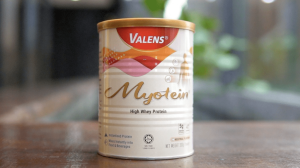
This is where high-quality protein supplements like Myotein High Whey Protein come in handy.
Myotein High Whey Protein is a premium product from Valens Nutrition, a trusted medical nutrition range widely utilized by healthcare professionals and clinical institutions across the region.
-
100% Pure & Fresh: Imported from New Zealand, Myotein is a bioactive whey protein concentrate freshly derived from cow’s milk.
-
Clean Formulation: It is free from flavorings, preservatives, added sugar, or carbohydrates, making it a complete protein source suitable for vegetarians.
-
Versatile & Flavorless: Designed to complement a patient’s preferred diet rather than replace it, Myotein dissolves easily without changing the taste or texture of food.
Because it is unflavored, it can be seamlessly stirred into local morning favorites like coffee, tea, oats, or MILO, as well as smoothies, soups, and porridge. For patients who rely on nutritional meal replacements, Myotein can be added directly to the shake to easily boost protein density.
Consult a Healthcare Provider for a Tailored Nutrition Plan

Too often, cancer patients suffer not just from the disease itself, but from severe malnutrition, weakness, and a declining quality of life.
While protein supplements are an excellent tool to bridge nutritional gaps, it is crucial for patients to work alongside a Singapore-registered dietitian or their primary oncology team to develop an individualized nutrition plan tailored to their specific medical needs.
Please note that protein supplements should complement, not substitute, a diet of whole foods. Always consult your healthcare provider before introducing any new supplements into your care routine.
For more information on Myotein High Whey Protein, find out more here: Valens Myotein® – Your Source of High-Quality Protein
This article is adapted for Valens Nutrition based on insights from Ms. Melissa Lee EY, a practicing clinical dietitian.
References
-
Guoyao Wu. Food Funct 2016, Vol 16. Dietary protein intake and human health.
-
Ravasco P. Nutrition in Cancer Patients. J Clin Med. 2019 Aug 14;8(8):1211.
-
Aoyagi T, Terracina KP, Raza A, Matsubara H, Takabe K. Cancer cachexia, mechanism and treatment. World J Gastrointest Oncol. 2015 Apr 15;7(4):17-29.
-
Bulmuş Tüccar T, Acar Tek N. Determining the factors affecting energy metabolism and energy requirement in cancer patients. J Res Med Sci. 2021 Dec 22;26:124.
Disclaimer: This Website Does Not Provide Medical Advice The information, including but not limited to text, graphics, images, and other material contained in this article, is for informational purposes only. No material here is intended to be a substitute for professional medical advice, diagnosis, or treatment. Always seek the advice of your physician or an allied healthcare professional in Singapore with any questions you may have regarding a medical condition or treatment. Never disregard professional medical advice or delay seeking it because of something you have read here.