The Ultimate Post-Surgery Nutrition Guide: Essential Foods & Supplements for Faster Recovery
While a surgical procedure may resolve an underlying medical condition, real recovery begins after discharge. Healing is an active and demanding process.
From tissue repair and immune activation to gut microbiome restoration and muscle preservation, post-surgical recovery requires targeted, specialized nutritional support [1]. Without adequate nutrition, patients face an elevated risk of:
Delayed wound healing
Post-operative infections
Accelerated muscle loss and sarcopenia
Prolonged fatigue and extended hospital stays [2]
Recognizing these challenges, clinical guidelines increasingly emphasize nutrition as a core component of surgical care and enhanced recovery protocols—including cancer treatment [3, 27, 28].
This guide explores the evidence-based nutritional strategies and dietary supplements needed to optimize post-surgery healing and accelerate recovery.
Why Nutrition Matters After Surgery
Following surgery, the body enters a hypermetabolic and inflammatory state. Stress hormones surge, protein breakdown accelerates, and energy demands increase significantly [4, 5].
At the same time, patients frequently encounter common post-surgical challenges that make eating difficult [5]:
Reduced appetite and fatigue
Nausea, bloating, or post-operative ileus
Antibiotic-related gut disruption
Difficulty chewing, swallowing (dysphagia), or taste changes
Without proactive nutritional intervention, even well-nourished individuals can develop severe protein and energy deficits within days.
1. Protein: The Foundation of Wound Healing and Muscle Retention
Protein is critical for recovery because it provides essential building blocks for collagen production and tissue repair [5, 7].
Why Protein is Critical After Surgery
Supports Collagen & Tissue Formation: Essential for closing wound sites and rebuilding skin and connective tissue [5, 7].
Strengthens Immune Response: Supports cellular immune function to protect against infections [5, 7].
Preserves Lean Muscle: Prevents acute muscle wasting and sarcopenia during hospital stays and bed rest [5, 7].
Insufficient protein intake is directly linked to delayed wound closure, heightened infection risks, and reduced functional recovery [8].
Surgery creates an immediate, high-demand “metabolic tax” on the body. For cancer patients, this stress is compounded by prior treatments that may have already compromised tissue integrity. Adequate protein intake prevents the body from “cannibalizing” its own muscle tissue to heal surgical sites, providing the external resources needed to rebuild efficiently.
Learn More: Why Protein is Essential for Cancer Patients
How Much Protein Do You Need?
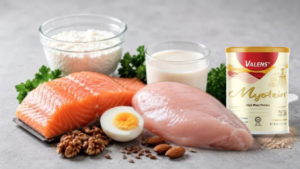
Post-surgery protein requirements typically increase to 1.2–2.0 grams per kilogram of body weight daily, depending on [6]:
The type and complexity of the surgery
The level of metabolic stress
The presence of complications or infections
Age and baseline muscle mass
Example: For a 60 kg adult, this equals 72–120 grams of protein per day—a target that is often difficult to reach through regular meals alone.
When Modular Protein Supplements Help
Modular, high-quality protein powders and supplements offer key advantages [9]:
Precise Dosing: Delivers high concentration without requiring large food volumes.
Easy Administration: Mixes effortlessly into soups, beverages, or enteral feeds.
High Tolerance: Ideal for patients experiencing low appetite or early satiety.
Flexibility: Allows easy adjustments based on changing recovery stages.
Ensuring adequate protein intake is essential for optimizing the body’s repair mechanisms.
2. Immunonutrition: Modulating Inflammation and Immune Support
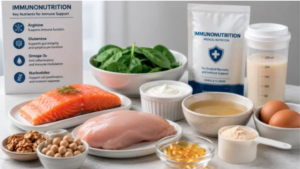
Major surgeries trigger systemic inflammation and immune activation. While controlled inflammation is a natural part of healing, excessive or prolonged inflammatory responses can impair overall recovery [10].
Immunonutrition uses targeted nutrients (immunonutrients) to regulate immune and inflammatory pathways effectively [11].
Key Immunonutrients
Arginine: An amino acid that stimulates T-cell function and enhances immune responses [11].
Glutamine: Crucial for lymphocyte proliferation and maintaining the integrity of the mucosal gut lining [11].
Omega-3 Polyunsaturated Fatty Acids (PUFAs): Powerful anti-inflammatory agents that help balance immune cell activity [11].
Nucleotides: Essential components for DNA and RNA synthesis, supporting rapid cell proliferation and tissue rebuilding [11].
Learn More: What is Immunonutrition?
Clinical Benefits of Immunonutrition
Clinical evidence indicates that targeted immunonutrition can [12]:
Reduce post-operative infection rates
Shorten hospital stays
Accelerate wound healing
Help patients return to a normal diet and daily activities sooner
For moderate-to-high-risk procedures—such as abdominal and oncological surgeries—immunonutrition is frequently integrated into Enhanced Recovery After Surgery (ERAS) protocols [12, 13].
3. Gut Microbiome Restoration: Rebuilding Immunity from Within
Surgical stress, anesthesia, fasting, and antibiotic administration disrupt the balance of the gut microbiome, leading to dysbiosis [14].
Symptoms of Post-Surgical Gut Dysbiosis
Bloating, gas, and irregular bowel movements
Increased gut permeability (“leaky gut”)
Reduced immune resilience
Delayed appetite recovery [14]
Because approximately 70–80% of immune cells reside in the digestive tract, restoring gut health is vital for systemic immune function [14, 15].
Restoring gut ecosystem balance relies on an integrated triad: probiotics, prebiotics, and short-chain fatty acids (SCFAs).
A. Probiotics
Probiotics are live, beneficial microorganisms that help restore gut diversity, suppress localized inflammation, and modulate immune signaling [16].
Clinical Recovery Benefits:
Lower incidence of specific post-operative infections [17, 18]
Enhanced immune modulation [17]
Attenuated surgical stress response [17]
Safety Precaution: Probiotics must be used cautiously in immunocompromised patients, cancer patients, those in intensive care units (ICU), or individuals with central venous catheters due to a potential risk of systemic infection [19, 20]. Always consult a medical professional before introducing live cultures.
B. Prebiotics
Prebiotics are non-digestible dietary fibers that serve as fuel for beneficial gut bacteria [21].
Key Functions:
Stimulate microbial diversity [21]
Enhance gut mucosal barrier function [21, 22]
Improve bowel regularity [21]
Support the body’s natural production of short-chain fatty acids [21]
C. Short-Chain Fatty Acids (SCFAs) & Butyrate
Short-chain fatty acids are produced when gut bacteria ferment prebiotic fibers [23]. Among these, butyrate plays a dominant role in post-operative recovery by [24, 25, 26]:
Supplying the primary energy source for colon epithelial cells (colonocytes)
Strengthening intestinal barrier integrity against pathogens
Regulating anti-inflammatory signaling pathways
Supporting regulatory T-cell differentiation and immune balance [25]
Together, probiotics, prebiotics, and SCFAs restore gut integrity, reduce systemic inflammation, and positively alter the recovery trajectory.
4. Specialized Medical Nutrition: When Food Alone Isn’t Enough
During early recovery, reaching full nutritional targets through standard meals is often challenging due to side effects like early satiety, loss of appetite, post-operative ileus, dysphagia, or taste alterations [12, 26, 27].
In these cases, specialized medical nutrition offers a targeted solution.
Common Specialized Formulations
Modular Protein Powders: Easily added to foods to meet daily protein targets.
Immunonutrition Drinks: Formulated with precise ratios of arginine, glutamine, and omega-3s.
Targeted Gut Formulations: Prebiotic and probiotic blends designed for mucosal recovery.
Food and Beverage Thickeners: Modifies liquid textures for patients managing post-surgical dysphagia to ensure safe swallowing.
Designed for therapeutic use, specialized medical nutrition provides precise nutrient delivery tailored to altered metabolic states, ensuring recovery continues uninterrupted even when eating capacity is compromised.
Frequently Asked Questions (FAQ)
How long should I focus on high-protein intake after surgery?
Most patients require elevated protein intake for at least 2 to 6 weeks post-surgery. Complex, major, or oncological surgeries may demand high-protein support for a longer duration depending on individual healing rates and muscle status.
Can probiotics be taken immediately after surgery?
In many cases, taking probiotics post-surgery—especially after a course of antibiotics—can be beneficial. However, due to safety considerations in specific medical conditions, always consult your physician or clinical dietitian before starting probiotic supplements.
Is immunonutrition necessary for minor procedures?
Not always. Specialized immunonutrition is primarily indicated for major surgeries, gastrointestinal procedures, or high-risk and immunocompromised patients to reduce clinical complications.
The Bottom Line
Post-surgical recovery is an active biological process requiring structured immune regulation, tissue repair, muscle preservation, and gut restoration. Targeted nutrition is a fundamental component of safe, effective surgical recovery.
By taking a proactive, clinically guided approach to post-operative dietary support, patients can significantly improve recovery outcomes, maintain physical strength, and reduce hospital readmission risks.
Medical Disclaimer: Before starting any new supplements, specialized nutrition, or dietary changes, consult your physician or registered dietitian. Professional guidance ensures that nutritional strategies align with your overall medical plan and do not interfere with prescribed medications or clinical recovery timelines.
References
Stanescu, C., et al (2025). The Roles of Micronutrition and Nutraceuticals in Enhancing Wound Healing and Tissue Regeneration: A Systematic Review. Molecules, 30(17), 3568. https://doi.org/10.3390/molecules30173568
Seth, I., et al (2024). Impact of nutrition on skin wound healing and aesthetic outcomes: A comprehensive narrative review. JPRAS open, 39, 291–302. https://doi.org/10.1016/j.jpra.2024.01.006
Cochran, A., et al (2023). Impact of nutritional compliance within ERAS protocols for hepatopancreatobiliary, radical cystectomy, and head and neck procedures: A case-matched analysis adjusted for major complications. Clinical Nutrition ESPEN, 55, 109–115. https://doi.org/10.1016/j.clnesp.2023.03.001
Acharya, K., et al (2025). Surgical Stress Response: A Physiological Review of the Endocrine, Immune, and Metabolic Changes. Cureus, 17(12), e100101. https://doi.org/10.7759/cureus.100101
Weimann, A., Braga, M., Carli, F., et al. (2021). ESPEN practical guideline: Clinical nutrition in surgery. Clinical Nutrition, 40(7), 4745-4761. https://doi.org/10.1016/j.clnu.2021.03.031
Thibault, R., Abbasoglu, O., Ioannou, E., et al. (2021). ESPEN guideline on hospital nutrition. Clinical Nutrition, 40(12), 5684-5709. https://www.espen.org/files/ESPEN-Guidelines/ESPEN_guideline_on_hospital_nutrition.pdf
Healthline. (2023). 9 important functions of protein in your body. https://www.healthline.com/nutrition/functions-of-protein
Demling, R. H. (2009). Nutrition, anabolism, and the wound healing process. Nutrients, 1(1), 70–114. https://europepmc.org/article/PMC/2642618
Yi, H. C., et al (2020). Impact of Enhanced Recovery after Surgery with Preoperative Whey Protein-Infused Carbohydrate Loading and Postoperative Early Oral Feeding among Surgical Gynecologic Cancer Patients: An Open-Labelled Randomized Controlled Trial. Nutrients, 12(1), 264. https://doi.org/10.3390/nu12010264
Raziyeva, K., et al (2021). Immunology of Acute and Chronic Wound Healing. Biomolecules, 11(5), 700. https://doi.org/10.3390/biom11050700
Liu, Y., Li, F., Hu, J. et al. The application of immunonutrition in patients with cancer: current status and future perspectives. Holist Integ Oncol 3, 45 (2024). https://doi.org/10.1007/s44178-024-00112-w
Ho, C.Y., et al (2026). Perioperative immunonutrition intervention on postoperative outcomes among gynaecological cancer patients under enhanced recovery after surgery setting. Support Care Cancer 34. https://doi.org/10.1007/s00520-026-10557-6
Matsui, R., et al (2024). Impact of Perioperative Immunonutrition on Postoperative Outcomes in Patients with Upper Gastrointestinal Cancer: A Systematic Review and Meta-Analysis of Randomized Controlled Trials. Nutrients, 16(5), 577. https://doi.org/10.3390/nu16050577
Zheng Z, et al (2023) The implication of gut microbiota in recovery from gastrointestinal surgery. Front. Cell. Infect. Microbiol. 13:1110787. https://doi.org/10.3389/fcimb.2023.1110787
Wiertsema, S. P., et al (2021). The Interplay between the Gut Microbiome and the Immune System in the Context of Infectious Diseases throughout Life and the Role of Nutrition in Optimizing Treatment Strategies. Nutrients, 13(3), 886. https://doi.org/10.3390/nu13030886
Thoda, C., & Touraki, M. (2023). Immunomodulatory Properties of Probiotics and Their Derived Bioactive Compounds. Applied Sciences, 13(8), 4726. https://doi.org/10.3390/app13084726
Shamim M (2026) Meta-analysis of efficacy of probiotics in reducing postoperative infections and improving outcomes in gastrointestinal surgery. Front. Surg. 13:1746191. doi: 10.3389/fsurg.2026.1746191
Yang, Y., et al. (2017). Effect of Perioperative Probiotics and Synbiotics on Postoperative Infections After Gastrointestinal Surgery: A Systematic Review With Meta-Analysis. JPEN. Journal of parenteral and enteral nutrition, 41(6), 1051–1062. https://doi.org/10.1177/0148607116629670
Redman, M. G., Ward, E. J., & Phillips, R. S. (2014). The efficacy and safety of probiotics in people with cancer: a systematic review. Annals of oncology : official journal of the European Society for Medical Oncology, 25(10), 1919–1929. https://doi.org/10.1093/annonc/mdu106
Wiszpolska, M., & Zaleska, A. (2024). Probiotics – when and for whom in the oncological patient population. Nowotwory. Journal of Oncology, 74(1), 45–52. https://doi.org/10.5603/njo.97333
Gibson, G. R., et al. (2017). Expert consensus document: The International Scientific Association for Probiotics and Prebiotics (ISAPP) consensus statement on the definition and scope of prebiotics. Nature Reviews Gastroenterology & Hepatology, 14(8), 491–502. https://doi.org/10.1038/nrgastro.2017.75
Gill, S. K., et al (2021). Dietary fibre in gastrointestinal health and disease. Nature reviews. Gastroenterology & hepatology, 18(2), 101–116. https://doi.org/10.1038/s41575-020-00375-4
Healthline (updated 2025). The Proven and Potential Benefits of Butyric Acid. https://www.healthline.com/health/butyric-acid
van der Beek, C M et al (2017). Role of short-chain fatty acids in colonic inflammation, carcinogenesis, and mucosal protection and healing, Nutrition Reviews 75 (4), 286–305. https://doi.org/10.1093/nutrit/nuw067
Hajjar, R., et al (2021). The role of butyrate in surgical and oncological outcomes in colorectal cancer. American journal of physiology. Gastrointestinal and liver physiology, 320(4), G601–G608. https://doi.org/10.1152/ajpgi.00316.2020
Koh, A., et al. (2016). From dietary fiber to host physiology: Short-chain fatty acids as key bacterial metabolites. Cell, 165(6), 1332–1345. https://doi.org/10.1016/j.cell.2016.05.041
Ho, C. Y., et al (2020). Nutrition support following enhanced recovery after surgery protocol for malnourished cancer elderly patient. Asian Journal of Dietetics, 2(2), 75–78.
Nguyen, T. H., et al (2023). A longitudinal assessment of appetite loss and nutritional care among postoperative patients in Vietnam. Frontiers in nutrition, 10, 1008636. https://doi.org/10.3389/fnut.2023.1008636